
Ever Wondered How an Ancient Chinese Divination Text Guides Modern Hand Knit Creators?
Talk to any seasoned hand-knit maker, and they’ll tell you this craft is never just yarn and needles. You spend hours twisting wool, adjusting stitches, fixing lopsided cuffs, negotiating with bulk buyers, soothing picky pet parents who want custom dog jumpers. Every day brings small conflicts: misaligned custom orders, delayed fabric shipments, clients who argue over sizing for their fluffy pups, or disagreements over fair pricing for fully handmade pet sweaters.
Have you ever paused and thought—could a 3,000-year-old Chinese text hold simple, grounded advice to navigate all these frictions? The I Ching, often called the Book of Changes, lays out sixty-four hexagrams, each mapping a common human state of conflict, cooperation, patience and resolution. Today we zero in on the Song Hexagram, the hexagram centered entirely on disputes, arguments, misunderstandings and standoffs. Its sixth top line carries the sharpest, most practical takeaway for anyone building a life around handmade knit goods—including our team that crafts hand-knit dog sweaters, pet jumpers and custom handmade knitwear for global pet trade partners.
You know what surprises most Western knitters and pet brand owners? They write off ancient Eastern wisdom as vague spiritual talk, with zero real-world use for manufacturing, wholesale trade or small handmade craft businesses. But the sixth line of Song flips that mindset completely. It doesn’t push stubborn fighting or endless compromise; it lays out a quiet, sustainable path to win without draining your energy, your inventory or your relationships with clients. Let’s unpack this slowly, no confusing academic jargon, just plain talk for crafters, shop owners and pet apparel traders alike.
Quick Breakdown: What Is the Song Hexagram, Anyway?
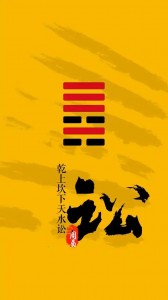
First, let’s keep this simple—no dense textbook lectures here. Song translates directly to “Dispute” or “Contention.” Every line inside the hexagram paints a different stage of conflict: the first line is minor small disagreements you can brush off; middle lines cover drawn-out haggling, one-sided demands, rushed arguments over custom knit orders; the sixth line sits at the very top, the final outcome of any long-running dispute.
Traditional I Ching scholars define the sixth line of Song with a clear, unflinching message: You may gain temporary victory in your argument, yet lasting peace will never follow. Even if you walk away with what you wanted, the friction lingers, tainting future collaborations, trust and long-term profit. Does that sound familiar to anyone reading this?
Think of a scenario all handmade knit creators face constantly: A pet wholesale brand reaches out to place a big bulk order of hand-knit pet sweaters. They push hard to slash your pricing, demand rushed turnaround times, refuse to accept small custom stitch adjustments you’ve clearly outlined in your order sheet. You stand firm, push back hard, win the negotiation, lock in their payment and ship the dog jumpers on schedule. On paper, you “won.” But what happens next? That buyer never places a second order. They badmouth your workshop to other pet shop retailers. They leave cold, unhelpful reviews on trade platforms, turning away potential new partners. That hollow win is exactly the warning embedded within Song Hexagram’s sixth line.
Say it straight: Fighting tooth and nail to claim every small advantage might score you a single sale, but it erodes the foundation of steady handmade knit businesses—trust. Hand-knit goods don’t compete on mass-produced low-cost polyester; they compete on care, consistency and reliable long-term partnerships with pet retailers, boutique pet stores and cross-border pet goods traders. Every bitter dispute you force to a one-sided victory chips away at that core strength.
Three Core Lessons From Song Sixth Line for Hand-Knit Sweater Makers
Let’s split this into three easy, actionable takeaways, tailored specifically for anyone creating handmade pet knitwear, from solo hobby knitters to factory teams crafting bulk dog sweaters. No abstract philosophy—just choices you’ll face in your workshop every single week.
Lesson 1: A Total Win in Dispute Creates Permanent Resentment
The sixth line’s core teaching repeats one simple truth: Unbalanced victory leaves lasting bitterness on the other side. For our hand-knit workshop, this plays out across every stage of our pet sweater sales cycle.
Take custom handmade dog sweater requests. A pet parent contacts us wanting a fully hand-knit jumper for their tiny Chihuahua. They send vague measurements, change their color scheme three times mid-production, then demand a partial refund when the finished piece doesn’t match the loose mental image they held. Some creators would dig in, cite the order terms, refuse any adjustment and close the conversation immediately. Legally, that choice holds up. But look at the ripple effect: that customer shares their frustration on pet Facebook groups, Instagram pet communities, local pet shop noticeboards. Suddenly, dozens of potential buyers steer clear of your handmade knit lines before even checking out your soft wool pet jumpers.
What does Song’s sixth line suggest instead? Choose minor concessions over absolute victory when the conflict is low-stakes. Offer a small discount on their next custom knit piece, or remake a tiny detail of the dog sweater without extra fees. You don’t surrender your core boundaries or lose meaningful profit, but you eliminate the lingering resentment that kills word-of-mouth sales. Pet apparel lives or dies on positive customer sharing—one upset client can undo months of social media marketing for your handmade knit inventory.
Crafters often tell me they fear giving even a small compromise signals weakness to buyers. But here’s the reality pet trade insiders understand: Buyers respect creators who prioritize harmony over petty wins. Our regular wholesale pet brand partners return year after year precisely because we don’t dig our heels in over trivial miscommunications about knit sizing or yarn shades. That consistent goodwill generates far more revenue than any single hard-fought negotiation ever could.
Lesson 2: Recognize When Dispute Drains Your Craft Energy
Hand knitting isn’t an automated factory task; every dog sweater, pet jumper and handmade knit piece carries hours of focused, delicate labor. Your creative energy is your most valuable resource—far more precious than any single wholesale order profit margin. The sixth line of Song warns against clinging to disputes that drain your mental bandwidth and pull focus from your core craft.
We’ve all seen knit workshop owners trapped in endless back-and-forth arguments over minor order details. They spend three hours drafting defensive reply emails to a difficult retailer instead of developing new hand-knit patterns for spring pet apparel. They stay up late stressing over a petty pricing disagreement rather than testing softer merino yarn for puppy sweaters. All that wasted mental space directly harms your product quality. When your mind’s stuck on conflict, your stitching grows rushed, your custom design ideas run dry, and the handmade charm that sets your pet knitwear apart fades away.
The ancient I Ching perspective here is straightforward: Walk away from fights that offer no long-term reward. If a potential pet brand trader refuses to respect your handmade production timelines, haggles aggressively below your minimum profitable price and nitpicks every sample dog sweater you send, release the dispute entirely. Don’t waste weeks negotiating terms that will leave both sides unhappy long-term. Redirect that time to nurturing existing loyal partners, designing new seasonal hand-knit pet jumpers, or connecting with local pet boutiques that value artisanal craft.
You don’t have to “win” every lead to build a thriving handmade knit business. Song’s sixth line teaches us selective detachment from unproductive conflict—your needles and creative vision deserve the bulk of your attention, not endless arguments with unreasonable clients.
Lesson 3: True Long-Term Success Relies on Mutual Balance, Not One-Sided Gain
The sixth line’s hidden layer many readers overlook: The only disputes that leave lasting positive outcomes are those resolved with fair give-and-take, where neither side walks away feeling defeated. This principle shapes every policy our knit factory uses for hand-knit pet sweater wholesale orders.
Mass-produced pet apparel brands rely on rigid, non-negotiable terms to cut costs; they push all risk onto small retailers and customers. Handmade knitwear operates under a different set of rules, because each piece carries unique human labor. We balance our own production limits with our trade partners’ needs in simple, sustainable ways: If a pet shop owner needs a faster bulk shipment of dog sweaters, we ask them to adjust their custom color order slightly to align with our yarn stock. If we face unexpected yarn delays pushing back delivery dates, we offer a small percentage discount on their next order as a goodwill gesture. Neither side bears the full burden of the complication, and resentment never builds up over time.
Think about long-term growth for handmade knit creators. Would you rather land one hostile bulk order with a buyer who never returns, or ten steady repeat orders from partners who trust you to find balanced solutions during hiccups? The sixth line of Song makes that answer crystal clear. Temporary total victory cannot compete with stable, mutually respectful trade relationships—especially in the niche handmade pet sweater market, where word-of-mouth between pet brand owners moves fast across global trade groups.
How Knitters Can Apply Song Hexagram Sixth Line Wisdom in Daily Workshop Life
Let’s move past theory and cover real, repeatable actions you can implement tomorrow, whether you knit solo at home or manage a full factory team crafting hand-knit pet jumpers and sweaters. These small shifts align directly with the conflict resolution guidance from the sixth line of Song.
1. Set clear, gentle boundaries before disputes begin Most knitwear conflicts spiral out of control because expectations never get laid out upfront. Draft simple, easy-to-read order notes for all handmade dog sweater purchases, listing production timelines, custom modification limits and return terms. Share these details with every pet retail buyer and individual pet parent before you start knitting. Clear pre-emptive communication stops minor disagreements from escalating into drawn-out disputes where you feel forced to fight for your position. Song’s sixth line reminds us prevention beats resolving bitter fights after they start.
2. Pause before responding to upset clients When an angry message hits your inbox about a handmade pet jumper order, step away from your screen for 15 minutes before typing a reply. Immediate, emotional responses almost always push for a one-sided win that sparks lingering bad feeling. A short cooling-off window lets you frame replies around balance instead of defensiveness. You’ll find yourself offering small, fair compromises rather than rigid pushback, which aligns perfectly with the harmony-focused message of Song’s top line.
3. Categorize conflicts to prioritize your energy Split every disagreement you encounter into two groups: low-stakes minor issues and high-stakes business threats. For tiny gripes about yarn shade or minor knit sizing tweaks, lean into flexible compromise. For serious violations of your workshop terms (like unpaid bulk orders or stolen knit pattern designs), stand firm on clear boundaries without escalating into endless hostile back-and-forth. The sixth line warns against expending equal energy on every dispute—save your resolve for matters that truly threaten your handmade knit business survival, and let small friction points soften with compromise.
4. Reward collaborative, balanced clients Recognize pet shop owners and wholesale traders who meet you halfway during order complications. Offer exclusive early access to new seasonal hand-knit dog sweater patterns, small bulk order discounts or free custom embroidery on their next shipment. This practice reinforces mutual respect as the standard for your brand, attracting more like-minded partners and reducing the number of one-sided disputes you face down the line. Ancient I Ching logic centers on cultivating harmonious connections, and this simple reward system turns that wisdom into tangible sales growth for handmade knitwear creators.
Does This Ancient Eastern Wisdom Translate for Western Pet Apparel Sellers?
Some readers might ask—can a hexagram from traditional Chinese philosophy really guide Western pet shop owners and handmade knit creators catering to European, American and Australian pet markets? It’s a fair question, and the answer lands solidly yes.
Conflict, compromise, short-term wins versus long-term trust are universal human experiences, no matter your country, industry or cultural background. Pet parents across every continent care deeply about the handmade quality of their dog’s sweater; retail buyers everywhere chase consistent, reliable craft suppliers they can partner with for years. The emotional dynamics of negotiation, disappointment and resentment do not shift based on geography.
Our workshop works with pet trade partners from Canada to Germany, New Zealand to the UK, and every single one responds positively to balanced, conflict-mitigating practices pulled from Song’s sixth line guidance. Western pet brand owners often tell us most knit suppliers they work with default to aggressive, uncompromising negotiation, making our willingness to find middle ground a major competitive advantage for our hand-knit pet jumper lines. This ancient mindset doesn’t clash with Western business; it fills a gap most mass-market apparel suppliers ignore entirely.
We also see this wisdom resonate with hobby knitters who sell handmade dog sweaters on social media marketplaces. Solo crafters often burn out fast after repeated hostile arguments with difficult customers. Adopting the sixth line’s focus on avoiding hollow total victories reduces their daily stress, keeps their creative joy intact and builds loyal personal customer followings for their knit creations. Whether you run a 50-person knit factory or knit one custom pet sweater per week from your living room, these lessons hold equal weight.
Real Workshop Story: Song Hexagram Wisdom Resolved a Major Wholesale Dispute
Let’s walk through a real situation our knit team faced last spring, to show how this ancient thinking changed a potential disaster into a lasting trade partnership.
A mid-sized US pet boutique brand placed a large bulk order of hand-knit dog sweaters ahead of spring puppy season. A global wool supplier delay pushed our production timeline back by ten full days. The brand owner reached out frustrated, threatening to cancel the entire order and source mass-produced pet jumpers from a cheaper overseas factory instead.
Our initial instinct could have been to push back hard: cite supply chain complications outside our control, stand firm on the original delivery window with no concessions, and risk losing a $12,000 wholesale order. But we recalled the sixth line of Song Hexagram and chose balance instead. We laid out the unforeseen yarn shortage plainly, offered a 12% discount on the full bulk shipment to offset their delayed retail launch, and threw in twenty free mini hand-knit cat sweaters as extra goodwill for their store display.
The brand owner accepted the adjusted terms without further conflict. They received their dog sweater stock only ten days late, saved money on the order, and gained bonus handmade knit merchandise to draw foot traffic to their shop. We avoided a total order cancellation, kept a valuable long-term partner, and prevented negative word-of-mouth within the US pet retail community.
One year later, this same boutique doubled their annual bulk order of our handmade pet sweaters and referred three additional pet brand traders to our workshop. If we’d fought to claim a full, uncompromised “win” during that dispute, we would have lost thousands in repeat sales and valuable industry referrals. That hollow victory Song’s sixth line warns against would have cost us far more than the small discount we offered to restore balance. This real-world example proves how ancient conflict guidance directly boosts handmade knit business sustainability.
Frequently Asked Questions (FAQ)
Q1: I’m a small hobby knitter selling handmade dog jumpers online—do Song Hexagram sixth line lessons apply to tiny individual orders, not just wholesale trade?
Absolutely. Even single custom pet sweater orders carry risk of bitter customer disputes that harm your social media reputation. Prioritize small compromises over rigid one-sided wins for individual buyers to protect your personal brand trust, exactly as the sixth line advises against hollow victory in any conflict.
Q2: Won’t frequent small concessions eat into my profit margins for hand-knit pet sweaters?
Concessions only hurt revenue when you offer unplanned, unlimited adjustments. Build minor goodwill buffers into your base pricing for handmade knitwear, so occasional small discounts or free minor stitch tweaks do not cut into your core profit targets. The long-term repeat business and positive reviews these compromises generate far outpace minor short-term cost hits.
Q3: How do I draw a clear line between balanced compromise and being taken advantage of by demanding pet brand buyers?
Set written, public limits on custom modifications, discounts and rush order adjustments before disputes arise. The sixth line of Song promotes balance, not self-sacrifice. If a trader repeatedly pushes for extreme, uncompensated concessions across multiple bulk orders, step away from the partnership entirely rather than absorb unfair losses endlessly.
Q4: Can I use Song Hexagram conflict guidance to negotiate better yarn pricing with my wool suppliers?
Yes, the sixth line’s mutual balance principle works for every negotiation you face as a knit creator. Instead of haggling aggressively to slash yarn costs to an unsustainably low rate, propose long-term consistent bulk wool purchases in exchange for mild supplier discounts. Both sides gain steady value, avoiding the resentment one-sided haggling creates.
Q5: Is I Ching philosophy too niche to share with Western pet shop clients and trade partners?
You do not need to dive deep into spiritual divination to apply the sixth line’s core conflict rules. Frame the lessons as simple, time-tested relationship principles rather than ancient spiritual text. Most pet retail buyers care only about fair, reliable supplier partnerships, and the balance-focused mindset translates seamlessly without heavy cultural context explanations.
Closing Thoughts: Craft Harmony Over Empty Victory in Hand-Knit Pet Apparel
Every stitch you twist into a dog sweater, every custom pet jumper you finish, every wholesale order you fulfill stands on one invisible foundation: trust. The sixth line of the Song Hexagram acts as a quiet, timeless reminder that every dispute you face as a handmade knit creator carries two possible outcomes: a fleeting, bitter total win, or a balanced resolution that protects your craft, your profit and your industry relationships for years ahead.
Hand knitting is a gentle, patient art form—your approach to conflict with clients, suppliers and trade partners should mirror that same patience. You don’t need to surrender your workshop boundaries or under price your handmade pet sweaters to cultivate harmony. You only need to reject the urge to fight for every last small advantage at the cost of lasting goodwill.
Next time you open an upset email about a custom knit order or face a tough negotiation with a pet apparel trader, pause and recall the core warning from Song Hexagram’s sixth line. Ask yourself: Am I chasing a short-term win that will leave resentment lingering, or building a balanced solution that lets both sides walk away satisfied? The answer you choose will shape not just your monthly sales of hand-knit pet jumpers, but the entire long-term trajectory of your handmade knit business.
Post time: Jul-01-2026