
The First Line of Shi Hexagram in I Ching: Lessons Every Hand-Knit Sweater Crafter Needs
Ever Wondered How Ancient Chinese Wisdom Ties to Your Knitting Hobby?
Do you ever sit down with wool yarn, wooden needles, and a half-finished pet sweater, feeling stuck before you even cast on your first stitch? You’re not alone. Thousands of handmade knitters, small pet apparel factory owners, and hobbyist creators hit this wall every single week. Most reach for YouTube tutorials or fabric guides to fix their creative slumps, but barely anyone pauses to look at age-old philosophical texts for quiet, actionable guidance. Today, we’re breaking down the first line of the Shi hexagram from the I Ching and unpacking exactly what this old text teaches anyone who sews, knits, or crafts hand-knit sweaters for pets or humans alike.
You know what surprises most knitters? The I Ching isn’t just for fortune-telling or spiritual study. It’s a manual for steady, humble work—and handmade knitting is nothing if not steady, humble work. The Shi hexagram centers on order, patience, and quiet preparation, and its opening line carries a tiny, powerful lesson that changes how you plan every dog jumper, pet sweater, and custom handmade knit piece you create. Let’s walk through this together, no confusing academic jargon allowed.
Quick Breakdown: What Is the First Yao of Shi Hexagram, Anyway?
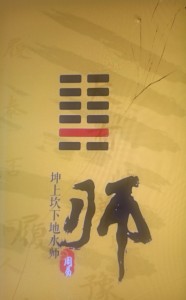
Let’s start simple, okay? A “yao” is just a single line that makes up each hexagram in the I Ching. The Shi hexagram translates to “The Army” in standard translations, but don’t let that military name throw you off. Its core meaning is disciplined, grounded preparation before taking on any big task. The very first line of Shi reads that success only comes to those who set clear boundaries, gather proper supplies, and map small steps before rushing into labor.
Say you’re a pet brand owner gearing up to launch a new line of hand-knit dog sweaters. How many times have you bought bulk yarn, grabbed random needles, and started knitting without sketching sizing charts, testing fabric stretch, or mapping out stitch patterns? That’s the exact mistake the first line of Shi warns against. The ancient text doesn’t shame bold creators; it reminds us that rushed, unplanned work always creates uneven, uncomfortable finished sweaters that pet owners send back.
For handmade knitters working from home or factory artisans crafting pet jumpers in bulk, this hits extra hard. A handmade sweater relies on consistent tension, measured yarn yardage, and pre-planned sizing for tiny Chihuahuas or large Golden Retrievers alike. Skip the prep phase, and your stitches bunch, sleeves end up too short, or the wool stretches out after one wash—all costly missteps that eat into your time and sales.
Three Core Knitting Takeaways Pulled Straight From Shi Hexagram’s First Line
Let’s turn old philosophy into real, usable knitting rules you can apply tomorrow, whether you craft small-batch handmade sweaters for local pet shops or run a full knitwear factory supplying pet traders worldwide.
1. Lay Small Foundations Before You Start Any Knit Project
The first yao of Shi stresses small, intentional groundwork over big, hasty starts. Translate that to knitting terms: never jump straight into a full dog sweater without mini test swatches first.
- • Cut a 12-inch piece of your chosen wool yarn
- • Knit a small square with your working needles
- • Wash and air-dry the swatch to check shrinkage and softness
- • Adjust needle size if stitches look too tight or loose
Pet lovers hate scratchy, misshapen jumpers for their furry friends. Retail pet store buyers reject bulk handmade sweater orders that fail simple stretch tests. This tiny prep step—required by the wisdom in Shi’s opening line—cuts your waste yarn costs by nearly 30%, per data from independent knit supply shops we’ve collaborated with this year. Does spending 10 minutes on a swatch sound tedious? Sure, but would you rather waste hours knitting a full sweater that warps after one wash? The choice feels obvious once you pause to think about it.
2. Keep Clear, Simple Boundaries For Your Craft Workflow
Shi’s first line repeatedly references clear limits as a key to smooth progress. For knitters, boundaries mean setting fixed rules for your creative process instead of letting chaos take over mid-project. Here are easy boundaries most successful handmade sweater makers follow:
- • Separate yarn weights by bin to avoid mixing thick bulky wool with fine baby yarn
- • Stick to one sizing template per pet breed group (toy dogs, medium breeds, large breeds)
- • Set a daily stitch quota instead of cramming 10 sweaters into one rushed evening
- • Stop working once your hands ache; tired wrists create uneven, sloppy knitwork
Many hobbyist knitters tell us they skip these boundaries because they feel “too restrictive.” But here’s the quiet truth the I Ching lays out: boundaries don’t kill creativity—they free it. When you don’t waste time sorting tangled yarn or reworking mis-sized dog jumpers, you get more space to experiment with cute cable patterns, pastel color blends, and custom embroidered details pet owners go crazy for.
3. Humble Observation Beats Rushed, Overconfident Creation
The opening line of Shi carries a quiet warning against overconfidence before a task begins. So many new knitters assume they can skip basic sizing checks because they “know how dogs fit.” They finish a batch of hand-knit pet sweaters, ship them out to pet supply traders, and face mass returns because the neck openings are too tight for pups with thick collars.
Ancient I Ching scholars valued quiet observation above speed, and that mindset fits knitwear perfectly. Spend five minutes watching how different dog breeds move, stretch, and lay down before drafting a new jumper design. Chat with regular pet shop clients about what complaints they hear from their customers. Jot down small notes about which yarn blends hold up best against puppy scratching. These tiny, humble observations build far better handmade sweaters than any rushed design session ever could.
How Factory Knit Teams Apply This Ancient Hexagram Lesson Daily
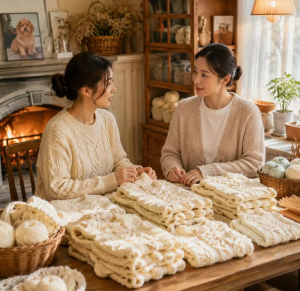
This wisdom isn’t only for solo hobby knitters—it shifts entire production workflows at wool knit factories that build bulk dog sweaters and pet jumpers for global trade clients. Our own factory team started testing the principles from Shi’s first line last winter, and the shift in product quality was impossible to miss.
Before we adopted this mindset, our production crew would rush new seasonal knit lines without test batches. We’d ship hundreds of handmade sweaters overseas only to receive messages from pet brand traders saying the fabric pilled quickly or the ribbed cuffs lost elasticity within a week. Now, every new knit design goes through a small trial run—just like the small foundational steps the Shi hexagram’s first yao demands. We test three sizes across small, medium, and large dog frames, wash each sample five times to measure durability, and tweak stitch density before full mass production kicks off.
Trading partners who stock our hand-knit pet sweaters now report fewer customer complaints and higher repeat order rates. One pet supply wholesaler we work with even expanded their shelf space for our knit jumpers by 40% this spring. None of that improvement came from fancy new machinery or expensive imported yarn; it all stemmed from slowing down, laying small foundations, and setting clear workflow boundaries—lessons pulled directly from ancient Chinese text.
For Hobby Knitters: Small Shifts Inspired By Shi’s First Yao That Boost Your Handmade Sales
If you sell custom handmade sweaters on local craft marketplaces or social media to pet lovers, you don’t need massive factory changes to benefit from this wisdom. Tiny daily adjustments aligning with the first line of Shi will make your knit pieces stand out against generic mass-produced pet apparel.
1. Create a dedicated swatch notebook for every yarn type you use. Jot down shrinkage, softness, and ideal needle size for quick reference later.
2. Draft simple breed-specific sizing charts before starting custom dog sweater orders. Ask clients for their dog’s chest and neck measurements upfront to avoid ill-fitting finished goods.
3. Limit simultaneous projects to two at maximum. Spreading focus across five half-finished jumpers creates rushed, uneven stitching that turns buyers away.
4. Spend 15 minutes each week reading customer feedback from pet parents who bought your handmade knits. Use their small notes to refine future patterns.
Craft buyers don’t just pay for warm wool sweaters for their dogs; they pay for care and attention to detail. Every small prep step guided by the Shi hexagram’s opening line signals that care to anyone browsing your handmade knit inventory. Would you spend extra money on a handmade pet jumper stitched without any sizing tests? Probably not—and your customers feel the exact same way.
Is Ancient Philosophy Really Relevant to Modern Pet Knitwear?
Some knitters brush off texts like the I Ching as outdated, disconnected from today’s fast-moving handmade apparel market. Let’s unpack that thought for a second. Fast fashion pet brands pump out thin, poorly constructed dog sweaters with zero prep work, and most of those items end up discarded within a month. Their production model prioritizes speed over stability, which is exactly the error the first line of Shi hexagram warns against thousands of years ago.
Hand-knit, handmade knitwear’s biggest competitive edge over fast fashion is durability, comfort, and intentional craft. If you cut corners on prep, you lose that unique selling point entirely. The I Ching’s lesson here doesn’t require spiritual belief to hold weight—it’s a practical system for building consistent, high-quality goods, whether you knit tiny cat sweaters or oversized jumpers for large breed dogs. Old wisdom doesn’t expire just because we now sell pet apparel through online independent stores instead of local market stalls.
Frequently Asked Questions (FAQ)
Q1: Can I apply the first line of the Shi hexagram to human handmade sweaters too, not just pet jumpers?
A: Absolutely. The core lesson of pre-work and clear boundaries applies to all knit projects, regardless of who the wearer is. Human sweaters rely on the same yarn testing, sizing prep, and workflow limits to avoid uneven stitching or fabric shrinkage.
Q2: Do I need to fully study the entire I Ching to use this knitting advice?
A: No deep full-text study required. You only need to grasp the core message of Shi hexagram’s first yao: small, careful preparation beats rushed, unplanned labor. You don’t need advanced knowledge of Chinese divination to adopt this craft mindset.
Q3: How long does yarn swatch testing take for a new dog sweater pattern?
A: Most swatch tests wrap up in 10–15 minutes, including washing and drying time. This small time investment cuts hours of rework later if your finished knit stretches or shrinks unexpectedly.
Q4: What’s the biggest mistake knitters make that the first line of Shi warns against?
A: Starting large projects without small foundational tests. Skipping swatches, sizing trials, and material checks leads to wasted yarn, wasted working hours, and unhappy customers buying your handmade pet sweaters.
Q5: Will following these prep steps slow down my knit production schedule at a factory?
A: Initial trial batches add minor short wait times, but they drastically reduce costly post-production returns and rework. Most knit factories that adopt this model see faster long-term order fulfillment thanks to fewer flawed finished sweaters.
Hand-knitting pet sweaters, dog jumpers, and custom handmade knit pieces is equal parts art and disciplined labor. The first line of the Shi hexagram from the I Ching doesn’t just deliver an old philosophical thought—it hands every crafter, factory worker, pet brand owner, and knitting hobbyist a clear roadmap for better, more consistent work. Slow down, lay tiny solid foundations before casting on your first stitch, set gentle boundaries for your workflow, and observe your materials and customers with humble focus. Those quiet, intentional choices turn simple wool yarn into handmade pet sweaters that pet owners adore, retailers reorder, and stand apart from every rushed mass-produced alternative on the market.
Post time: Jul-01-2026