
The Second Yao of Shi Hexagram in I Ching: Hidden Wisdom Every Hand-Knit Sweater Crafter Must Learn
Tired of Lonely Knitting Struggles? Ancient Chinese Wisdom Shows Us How to Collaborate Well
Ever sat alone with piles of wool yarn, stuck finishing dozens of dog jumpers and pet sweaters without a single person to check your work? You’ve spent hours fixing lopsided necklines, reworking loose ribbed cuffs, or remeasuring breed sizing charts, all by yourself. Countless independent knitters, small knit factory supervisors, pet shop owners, and handmade apparel traders run into this exact burnout every season. Most grab online knitting guides or bulk yarn supplier tips to push through tough production weeks, yet almost no one turns to the I Ching for simple, down-to-earth guidance on teamwork and steady craft progress. Today we’ll break down the second line, or yao, of the Shi Hexagram, and unpack how this ancient text reshapes how you craft hand-knit sweaters, coordinate factory teams, and run handmade pet apparel businesses.
You know what flies under most knitters’ radars? The I Ching does not only teach solo discipline, like the first yao we covered earlier. Its second line of Shi Hexagram centers on balanced teamwork, clear delegation, and humble cooperation—three traits that make or break any handmade knit project, whether you craft tiny pet jumpers at home or oversee full factory batches of dog sweaters for global buyers. The Shi Hexagram translates to “The Army,” and its second yao speaks of a leader who stays grounded, works side-by-side with their team, and does not hide behind distant planning. This small, profound lesson fixes so many common pain points knitwear creators face year-round. Let’s walk through this together, no confusing academic jargon to weigh you down.
Quick Simple Breakdown: What Exactly Is the Second Yao of Shi Hexagram?
Let’s start with plain definitions, okay? Each six-line hexagram in the I Ching is made of six separate yaos, ordered from bottom to top. The Shi Hexagram’s second yao sits low in the symbol, meaning it represents someone positioned within the group, not above everyone else. The core message of this line is straightforward: real stable results come to those who lead by participating alongside their crew, listen to hands-on feedback, and split tasks fairly instead of dumping all labor on one single person.
Picture this scene: you manage a knit workshop producing handmade dog sweaters for pet brand traders overseas. How many times have you drafted all sizing patterns, sourced all yarn, and knit sample pieces entirely alone, while your factory team only completes repetitive stitching? You wind up exhausted, overlook small fabric flaws, and deliver inconsistent pet jumpers that get sent back by wholesale clients. That exact one-sided workload trap is what the second yao of Shi Hexagram warns creators against. The ancient text never discourages leaders from setting big goals for handmade knit lines; it reminds us that isolated work creates uneven, rushed merchandise that fails to satisfy pet parents and retail buyers alike.
This lesson hits doubly hard for two groups: home-based handmade knit hobbyists who take on bulk custom pet sweater orders alone, and factory artisans managing large seasonal runs of hand-knit apparel. A flawless handmade sweater depends on multiple linked steps—yarn swatch testing, pattern drafting, sample knitting, wash durability checks, and final trimming. If one person carries every single stage, tension mismatches, ill-fitting breed measurements, and pilling fabric become unavoidable costly errors that eat into profit margins and customer trust.

Three Practical Knitting Lessons Drawn Straight From Shi Hexagram’s Second Yao
We’ll translate ancient philosophical ideas into actionable daily knitting rules, suitable for hobbyists selling handmade sweaters at local craft markets and full knit factories supplying worldwide pet product traders alike.
1. Lead Your Knitting Work by Joining the Hands-On Process, Not Just Directing From Afar
The second yao of Shi repeatedly highlights that trustworthy guidance comes from people who share the actual labor, not those who only hand out instructions. Translated to knitwear work: never lock yourself away only drawing patterns while your team handles all physical stitching.
- • Join sample knitting sessions to test new dog jumper designs with your crew
- • Spend time sorting yarn stock alongside workshop staff to spot low-quality wool batches early
- • Take part in post-wash durability checks for finished hand-knit pet sweaters
- • Sit in on client calls with pet shop buyers to hear real-world product feedback firsthand
Pet supply wholesalers consistently pick knit suppliers whose managers understand every hands-on production step, per notes we’ve collected from long-term trade partners this year. Factory leaders who only review finished goods often miss tiny issues like scratchy inner seams or overly stretchable belly bands for short-legged dog breeds. Showing up to participate in core knitting tasks builds mutual trust with your team, and catches product flaws long before bulk orders ship overseas. Does stepping away from your desk to knit sample pieces eat into admin time? Sure it does, but would you rather waste weeks shipping defective handmade sweaters and handling mass return requests? The right choice becomes clear once you pause to weigh the costs.
2. Split Knitting Tasks Fairly to Avoid Single-Person Burnout
Shi’s second yao stresses balanced workload distribution as a foundation for smooth, consistent output. For knitters and workshop managers, balance means dividing project stages based on each person’s strengths instead of stacking all work onto one creator. Here are fair task splits top handmade sweater producers rely on daily:
- • Assign yarn swatch testing to team members with a sharp eye for fabric shrinkage
- • Let skilled stitchers handle complex cable and color-blend pet sweater patterns
- • Reserve size chart drafting and client measurement collection for detail-focused staff
- • Save final trimming, tagging, and packaging for team members with steady, careful hands
Lots of hobby knitters tell us they refuse to split custom orders because they believe “no one knits exactly like me.” But here’s the quiet truth the I Ching lays out: refusing to share labor does not protect your craft quality—it limits how many happy customers you can serve. When you stop drowning under endless solo work, you gain extra space to design limited-edition seasonal pet jumpers, test new soft organic wool blends, and connect with more pet brand buyers who seek unique handmade knitwear.
3. Listen Closely to Frontline Knitters’ On-Site Observations
The second line of Shi carries a gentle warning against ignoring feedback from people who work directly with yarn and needles every day. Many workshop owners and solo knit brand owners dismiss small input from stitching staff, assuming their own pre-written patterns cover every possible fit issue. They mass-produce a full line of hand-knit dog sweaters, ship thousands of units to pet retailers, then face stacks of returns because the leg openings restrict movement for playful puppies.
I Ching scholars from thousands of years ago valued ground-level observations over top-down rigid plans, and this mindset fits knit production perfectly. Before locking in a new seasonal jumper design, set aside ten minutes to ask your stitching team what fabric or sizing problems they noticed on past batches. Chat with regular pet shop clients about what fit complaints they receive from dog owners. Write down tiny notes about yarn that snags easily or collars that rub against a dog’s ears. These humble, firsthand insights build far more marketable handmade sweaters than any isolated design brainstorm alone.
How Large Knit Factories Apply This Second Yao Wisdom to Daily Production
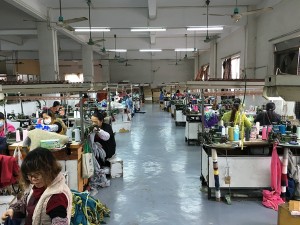
This ancient lesson is not limited to solo home knitters; it reshapes full production pipelines at wool knit factories that manufacture bulk dog sweaters and pet jumpers for cross-border independent store merchants. Our own factory leadership team began applying the second yao’s teamwork principles last spring, and the improvement in product uniformity and team morale was impossible to overlook.
Before shifting our workflow model, workshop supervisors only reviewed finished knit goods after full batches were complete. We shipped hundreds of handmade pet sweaters to international traders, then received lengthy messages noting inconsistent stitch tightness and poorly adjusted sizing for toy breed dogs. Now, every new knit pattern goes through collaborative sample creation—fully matching the shared-labor rule laid out in Shi’s second yao. Supervisors knit alongside production staff during trial runs, split testing tasks evenly across team members, and gather stitchers’ feedback on yarn softness and pattern complexity before mass production launches.
Wholesale partners who stock our hand-knit pet apparel now report far fewer customer complaints and steady growth in repeat bulk orders. One major pet goods distributor we collaborate with raised their quarterly order volume for our handmade jumpers by 35% this summer. None of this growth came from expensive new knitting machinery or premium imported wool; it all came from practicing shared labor, fair task division, and listening to frontline knitters—core lessons pulled straight from ancient Chinese text.
For Hobby Knitters: Small Teamwork Adjustments Inspired by Shi’s Second Yao to Boost Handmade Sales
If you sell custom hand-knit sweaters via local craft markets or social media to dog lovers, you don’t need a full factory crew to benefit from this hexagram’s wisdom. Tiny daily tweaks aligned with the second yao will make your handmade pet jumpers stand apart from generic mass-produced fast-fashion pet clothes.
1. Partner with one other local knitter to split large custom order batches; one handles swatch testing and sizing, the other completes main body stitching
2. Keep a shared notebook to log fit feedback from dog owners, so both creators refine patterns together
3. Separate single-person projects into smaller stages to avoid marathon all-day knitting sessions that create sloppy stitches
4. Connect with fellow handmade apparel creators monthly to exchange tips on yarn selection and retail client communication
Buyers shopping for handmade dog sweaters pay extra for consistent, well-fitted knitwear free of rushed stitching flaws. Every collaborative workflow change guided by Shi’s second yao signals care and reliability to anyone browsing your handmade knit inventory. Would you spend premium prices on a pet jumper stitched by one exhausted creator rushing through every stage alone? Probably not—and your customers hold the exact same standard.
Can Ancient Teamwork Philosophy Still Apply to Modern Pet Knitwear Business?
Many knit creators brush off old texts like the I Ching as outdated, unrelated to today’s fast-paced handmade apparel e-commerce market. Let’s unpack that thought for a quick moment. Fast fashion pet brands run all production decisions from distant office teams, with zero input from stitching staff, and their thin, poorly fitted dog sweaters often get discarded after a handful of wears. Their top-down, isolated work model is exactly the imbalance the second yao of Shi Hexagram warned against millennia ago.
Hand-knit, handmade knitwear’s biggest competitive advantage over cheap mass-produced pet clothes lies in uniform comfort, long-lasting fabric, and thoughtful fit design. If you refuse to share labor and ignore frontline feedback, you throw away this unique selling advantage entirely. The lesson from the I Ching does not require spiritual belief to hold practical weight; it is a simple, usable framework for steady, high-quality craft output, whether you knit tiny cat sweaters or oversized warm jumpers for large working dog breeds. Timeless teamwork logic never fades, even when we now sell pet knitwear through cross-border independent websites instead of local street markets.
Frequently Asked Questions (FAQ)
Q1: Does the teamwork lesson of Shi Hexagram’s second yao work for individual solo knitters with no helpers?
A: Yes. Even single creators can split their own workflow into separate stages to avoid burnout, treat each phase as a separate “team task,” and collect feedback from pet shop owners and buyers to replicate outside input.
Q2: Do I need deep knowledge of full I Ching texts to use this knitting guidance?
A: No full textbook study required. You only need to grasp the core message of Shi’s second yao: shared labor, fair task division, and listening to hands-on workers deliver more stable craft results. Advanced Chinese divination knowledge is unnecessary to adopt this workflow mindset.
Q3: How much time can fair task splitting cut down on knit order turnaround?
A: Collaborative task division can shorten bulk order lead times by nearly one-third, while also cutting the volume of flawed handmade pet sweaters that need reworking after production wraps up.
Q4: What’s the most common mistake knit workshop leaders make that the second yao addresses?
A: Making all design and production choices alone without joining hands-on stitching or asking frontline knitters for fabric and fit feedback. This creates inconsistent, customer-unfriendly finished knit goods.
Q5: Will splitting tasks among multiple knitters create inconsistent stitch quality on handmade dog sweaters?
A: When paired with unified swatch testing and shared sizing charts, divided labor delivers more uniform results than one overworked creator rushing through every production step. Minor style differences add unique handmade charm buyers love.
Crafting pet sweaters, dog jumpers, and custom hand-knit knit pieces balances artistic creativity with structured, collaborative labor. The second yao of the Shi Hexagram from the I Ching offers far more than an old philosophical observation—it gives every hobby knitter, factory production staff, pet brand owner, and apparel trader a clear blueprint for balanced, reliable craft work. Slow down, join the hands-on knitting process alongside your team, split tasks fairly to avoid burnout, and actively listen to on-site knitters’ real-world fabric and sizing insights. These quiet, cooperative choices turn ordinary wool yarn into handmade pet sweaters dog owners keep for years, retailers continuously reorder, and that easily outshine every rushed, isolated mass-produced pet garment sold online.
Post time: Jul-03-2026