
The Third Yao of Shi Hexagram in I Ching: Key Lessons All Hand-Knit Sweater Crafters Need to Grasp
Ever Pushed Forward Blindly in Knitting Only to Hit Unavoidable Losses? Ancient Wisdom Warns Us Against Reckless Rush
Have you ever grabbed your yarn and needles, raced to finish a full batch of dog jumpers or pet sweaters without checking risks first, only to face wasted wool, messy stitches and client refunds down the line? Every knitting creator, whether a home hobbyist, knit factory line worker, pet boutique owner or cross-border pet goods trader, has fallen into this trap at least once. Most people will rush to fix flawed knit pieces or restock new yarn immediately, yet very few pause to dig into the I Ching for plain, actionable guidance on judging risks before launching craft work. Today we break down the third yao of the Shi Hexagram and unpack how this ancient text reshapes your mindset around making hand-knit sweaters, managing factory production runs and running handmade pet apparel businesses.
You know what most knitters overlook? The first two yaos of Shi focus on preparation and teamwork, while the third yao delivers a sharp, gentle warning about blind, unmeasured advancement. The Shi Hexagram stands for “The Army”, and its third line describes people who march forward without scouting conditions, ignoring hidden hurdles that will ruin their efforts. This core idea hits home for anyone who knits dog sweaters, pet jumpers or handmade knitwear for sale. No fancy academic jargon will weigh you down as we walk through every usable takeaway together.
Straightforward Breakdown: What Message Does the Third Yao of Shi Hexagram Carry?
Let's start with simple definitions, yeah? Each hexagram in the I Ching holds six yaos arranged bottom to top, and the third yao sits midway, representing people who already have basic preparation and team support but grow overconfident and act without caution. The core truth of this line could not be clearer: anyone who moves forward without sizing up hidden troubles will face unnecessary setbacks, no matter how solid their early groundwork is.
Picture this real-life scenario: you run a knit workshop producing hand-knit pet sweaters for overseas pet brand buyers. How many times have you locked in a huge seasonal order, jumped straight into mass knitting without testing yarn durability, verifying breed sizing compatibility or calculating production capacity? You end up churning out piles of dog jumpers that pill badly after one wash, fail to fit most medium-sized dogs, or force your crew to pull all-nighters that ruin stitch uniformity. This exact reckless forward push is exactly what the third yao of Shi Hexagram cautions all creators against. The ancient text never stops you from chasing bigger orders and growing your handmade knit line; it simply reminds us that bold moves without risk assessment bring costly, avoidable losses that hurt both profit and brand trust.
Two groups feel this pain most acutely: independent hobby knitters who accept oversized custom pet sweater orders without gauging their own workload, and factory supervisors who greenlight massive production batches without pre-testing new yarn or patterns. A perfect handmade sweater relies on layered risk checks: yarn pilling tests, breed fit trials, labor capacity estimates and wash durability samplings. Skip any of these risk evaluations and you run into tangled yarn waste, uneven finished knitwear, delayed shipments and frustrated wholesale clients.

Three Practical Knitting Rules Drawn Straight From the Third Yao of Shi Hexagram
We translate this ancient philosophical warning into daily knitting standards that work equally well for craft market sellers and large knit factories supplying global pet product merchants.
1. Scout All Hidden Risks Before Launching Any Large Knitting Batch
The third yao of Shi repeatedly stresses reconnaissance before taking major action. Translated to knitwear creation: never kick off bulk dog sweater production until you test every potential hidden flaw.
- • Knit extended wash test swatches for new yarn to check pilling, stretch and shrinkage
- • Sew full-size trial jumpers for small, medium and large dog breeds to spot fit flaws early
- • Count daily team output to confirm you can hit order deadlines without rushed, sloppy stitching
- • Double-check client custom requests to rule out unrealistic sizing or complicated stitch patterns that slow production
Pet supply wholesalers consistently turn down suppliers who skip pre-production risk checks, per notes we’ve gathered from long-term trade partners this year. Factory leads who skip trial runs often miss quiet issues like thin yarn that tears easily or wide neck openings that slip off short-haired dogs. Spending a few extra days scouting risks before mass production saves you weeks of rework and refund claims later. Does risk testing eat into your launch timeline? Sure it does, but would you rather deliver defective handmade pet sweaters and lose long-term wholesale clients? The right choice becomes obvious once you weigh the full costs.
2. Hold Back Overconfidence Even When Your Early Knitting Work Looks Flawless
Shi’s third yao targets overconfidence as the biggest hidden danger for creators with solid foundational skills. For knitters and workshop managers, this means avoiding the urge to skip quality checks just because past small batches turned out well. Here are common overconfident mistakes top handmade sweater producers steer clear of:
- • Don’t assume new yarn will match the softness and durability of old trusted wool blends
- • Don’t skip breed sizing rechecks just because your last dog jumper line sold well
- • Don’t accept extra rush orders beyond your team’s steady daily output limit
- • Don’t cut corners on washing and finishing steps to speed up shipment schedules
Hundreds of hobby knitters tell us they fall into overconfidence traps after a handful of successful small custom orders. But here’s the quiet truth laid out in the I Ching: past good results do not erase unseen risks in new projects. When you curb overconfidence and stick to fixed pre-production checks, you steer clear of mass returns and earn steady repeat orders from pet shop buyers who value reliable handmade knitwear.
3. Pause Production Immediately When You Spot Emerging Knitting Troubles
The third line of Shi carries a clear warning against plowing ahead once problems surface. Many workshop owners and solo knit brand creators brush off small early flaws, thinking minor issues will fix themselves as production moves forward. They keep knitting thousands of hand-knit dog sweaters, ship the full shipment to pet retailers, then face massive return volumes because loose ribbing, scratchy yarn or lopsided torso cuts ruin customer experience.
I Ching scholars thousands of years ago valued timely pause over blind progress, and this mindset fits knit production perfectly. The second you spot inconsistent stitch tension, easily fraying yarn or ill-fitting trial samples, halt full-scale production to adjust materials or patterns first. Chat with your stitching team about any new hurdles they notice mid-workflow; jot down client feedback about uncomfortable pet jumper designs. These quick, timely stops prevent tiny issues from snowballing into expensive order failures.
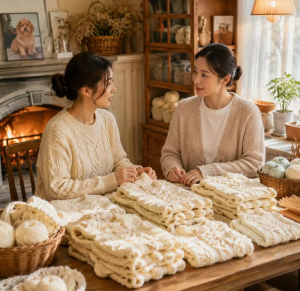
How Large Knit Factories Apply This Third Yao Risk Warning to Daily Production
This ancient risk awareness lesson is not only for solo home knitters; it reshapes full production pipelines at wool knit factories manufacturing bulk dog sweaters and pet jumpers for cross-border independent store merchants. Our factory leadership team started adopting the third yao’s cautious mindset last summer, and the drop in defective finished goods was impossible to miss.
Before adjusting our workflow rules, supervisors would approve large seasonal knit orders without full risk testing. We shipped hundreds of handmade pet sweaters to international traders and received long complaint messages about fast-pilling wool and one-size-fits-all patterns that failed most dog breeds. Now every new knit design goes through a complete risk assessment trial run—fully matching the “scout first, march later” rule from Shi’s third yao. Teams test yarn performance, cross-check all breed sizing templates, calculate labor capacity and resolve every small flaw before mass production begins.
Wholesale partners stocking our hand-knit pet apparel now report far fewer customer complaints and steady growth in repeat bulk orders. One major pet goods distributor we work with raised their quarterly order volume for our handmade jumpers by 38% this autumn. None of this growth came from costly new knitting machines or premium imported wool; it all came from spotting risks early, reining in overconfidence and pausing production to fix emerging flaws—core lessons pulled straight from ancient Chinese text.
For Hobby Knitters: Small Risk-Check Habits Inspired by Shi’s Third Yao to Boost Handmade Sales
If you sell custom hand-knit sweaters via local craft markets or social media to dog lovers, you don’t need a full factory crew to benefit from this hexagram’s wisdom. Tiny daily risk-check habits aligned with the third yao will make your handmade pet jumpers stand apart from generic mass-produced fast-fashion pet clothes.
1. Make a dedicated risk checklist for every new yarn type to log shrinkage, pilling and softness before starting large orders
2. Turn down rush custom orders that stretch your daily knitting capacity thin to avoid rushed, low-quality stitching
3. Re-knit one full sample pet sweater for every new pattern instead of relying on memory of old designs
4. Stop working on a project at the first sign of recurring stitch errors to rest your hands and reset tension evenly
Buyers shopping for handmade dog sweaters pay extra for consistent, long-wearing knitwear free of preventable flaws. Every risk-check habit guided by Shi’s third yao signals care and reliability to anyone browsing your handmade knit inventory. Would you spend premium prices on a pet jumper made by a creator who skipped all pre-production testing out of overconfidence? Probably not—and your customers hold the exact same standard.
Frequently Asked Questions (FAQ)
Q1: Does the risk-caution lesson of Shi Hexagram’s third yao apply to small one-off custom knit orders?
A: Yes. Even single custom dog sweater pieces need quick mini risk checks (swatch tests, size confirmation) to avoid unhappy buyers and rework, no matter how small the project.
Q2: Do I need deep knowledge of full I Ching texts to use this knitting guidance?
A: No full textbook study required. You only need to grasp the core message of Shi’s third yao: assess risks fully, avoid overconfidence, and pause production to fix flaws early. Advanced Chinese divination knowledge is unnecessary to adopt this cautious workflow mindset.
Q3: How much extra time do full pre-production risk checks add to order timelines?
A: Complete risk testing adds 1–2 days of upfront work for large batches, yet cuts rework and refund delays by over half in the long run.
Q4: What’s the most common mistake knit workshop leaders make that the third yao addresses?
A: Moving straight into mass production without testing yarn, sizing or labor capacity, driven by overconfidence in past successful knit lines. This creates avoidable flawed merchandise and client losses.
Q5: Will stopping production mid-run to fix small flaws hurt factory delivery schedules?
A: Brief pauses to resolve emerging issues stop hundreds of defective units from being finished. The short delay early on prevents massive shipment hold-ups and client refunds after full production wraps up.
Crafting pet sweaters, dog jumpers, and custom hand-knit knit pieces balances artistic creativity with careful risk management. The third yao of the Shi Hexagram from the I Ching offers far more than an old philosophical observation—it gives every hobby knitter, factory production staff, pet brand owner, and apparel trader a clear blueprint for cautious, loss-free craft work. Slow down to scout hidden risks before every major production run, hold back overconfidence even when your past work succeeds, and pause immediately to fix flaws the second they appear. These quiet, careful choices turn ordinary wool yarn into handmade pet sweaters dog owners keep for years, retailers continuously reorder, and that easily outshine every reckless, untested mass-produced pet garment sold online.
Post time: Jul-03-2026